

If you’re building or buying a new gaming PC in 2026, there’s one component that can quietly make or break your experience: RAM.
Fast processors and powerful GPUs tend to grab the headlines, but your system memory plays a crucial supporting role. The right RAM can improve frame consistency, reduce stuttering, and help your rig handle everything from competitive shooters to sprawling open-world titles- and even 4K gaming.
However, in 2026, there are complications. You may have seen headlines about a global RAM shortage, as well as DDR5 price increases and AI-driven demand pushing costs up. So what does that mean for gamers right now? Is there actually a RAM shortage in 2026, and are RAM prices really skyrocketing? Most importantly, what is the recommended RAM for gaming in 2026?
In this guide, we’ll explain everything to help you make the best decision when choosing your RAM. We’ll cover:
What is RAM in Computer?
RAM stands for Random Access Memory. It’s called the computer’s short-term memory.
How it works :
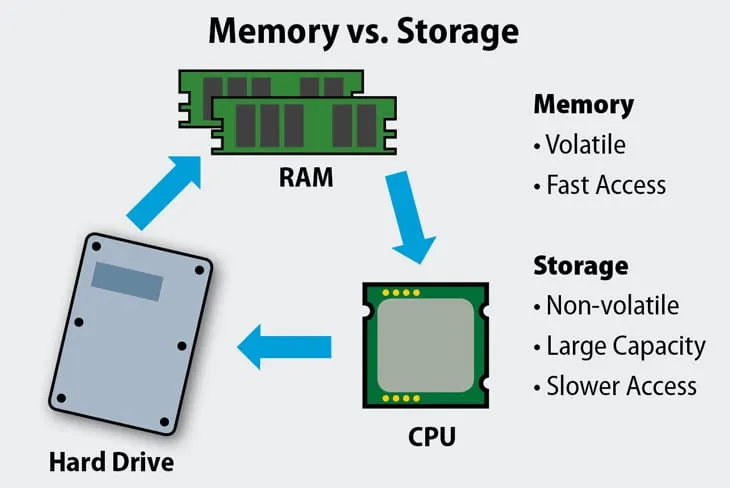
Whenever you open an app, game, or browser, everything loads into RAM.
The more RAM you have, the more things your PC can run at the same time without lag.
But when you shut down the PC, RAM gets empty — it doesn’t store data permanently.
Types of RAM
Understanding RAM Types: DRAM and SDRAM
1. Dynamic RAM (DRAM)
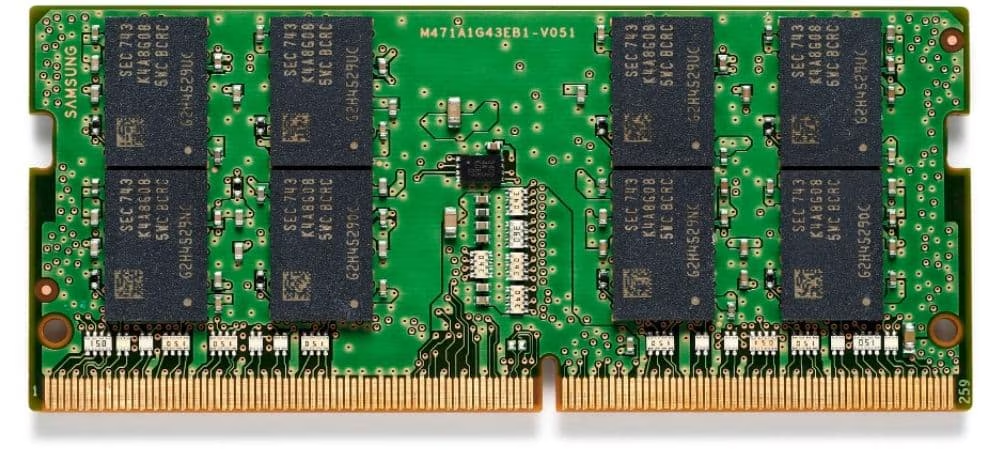
Dynamic RAM is equipped with capacitors, acting like small buckets storing electrical charge. Each capacitor holds a bit of information, representing either a 1 or 0. However, DRAM requires constant refreshing with electricity due to the inherent nature of capacitors
2. Synchronous DRAM (SDRAM)
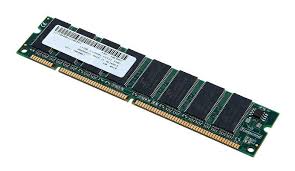
SDRAM, utilized in modern RAM DIMMs, also incorporates capacitors. The differentiator is the synchronization with the system clock. Unlike older DRAM technology, SDRAM operates synchronously with the system clock, enhancing overall speed.